How Dermapen Helps with Acne Scars and Pigmentation
Acne scars and pigmentation are two of the most common and challenging skin concerns, often leaving individuals seeking effective solutions to achieve a smoother, more even complexion. While these issues can be persistent, advanced aesthetic treatments like Dermapen microneedling offer a powerful and scientifically-backed approach to visibly reduce their appearance. Understanding how Dermapen targets these specific concerns can illuminate its transformative potential for skin rejuvenation.
The Core Mechanism: Collagen Induction Therapy
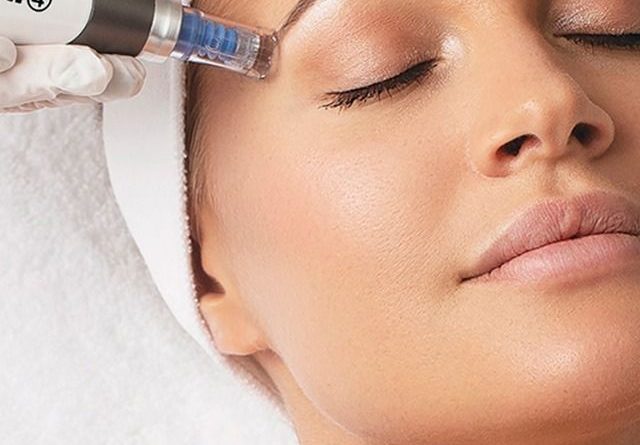
The effectiveness of dermapen in addressing both acne scars and pigmentation stems from its ability to stimulate the skin’s natural healing and regenerative processes. This is achieved through Collagen Induction Therapy (CIT). Dermapen is an automated device that creates thousands of precise, microscopic punctures in the skin. These controlled micro-injuries trigger a cascade of events that lead to the production of new collagen and elastin – the vital proteins responsible for skin’s structure, firmness, and elasticity. It’s this internal rejuvenation that drives the visible improvements.
Dermapen for Acne Scars: Resurfacing and Smoothing
Acne scars, particularly pitted or atrophic scars, are a direct result of collagen loss or damage during the healing process of severe breakouts. They manifest as depressions or uneven texture on the skin. Dermapen directly targets these imperfections in several ways:
- Breaking Down Old Scar Tissue: The precise needles of the Dermapen physically disrupt the rigid, fibrous scar tissue. This signals the body to initiate a repair process in that specific area.
- Stimulating New Collagen Production: As the body heals from the micro-injuries, it produces fresh, healthy collagen. This new collagen works to fill in the depressions and indentations of the scars, effectively raising the scarred areas to be more level with the surrounding skin.
- Improving Skin Texture and Uniformity: The overall acceleration of cell turnover and the generation of new, healthy skin cells contribute to a significantly smoother and more refined skin surface. The skin appears more uniform and less “pitted,” leading to a noticeable improvement in texture.
For individuals who have struggled with the lasting reminders of past acne, Dermapen offers a powerful method to remodel and resurface the skin, leading to a much smoother and more even complexion.
Dermapen for Pigmentation and Uneven Tone: Brightening and Clarifying
Pigmentation issues, including sunspots, age spots, and post-inflammatory hyperpigmentation (PIH) that often follows acne or injury, are caused by an overproduction or uneven distribution of melanin. Dermapen helps to address these concerns by:
- Accelerating Cell Turnover: The microneedling process promotes faster shedding of the outer layers of skin, including those containing excess melanin. This helps to bring fresher, less pigmented cells to the surface more quickly.
- Promoting Even Melanin Distribution: By stimulating the skin’s regenerative processes, Dermapen can help to normalize the production and distribution of melanin. This leads to a more uniform skin tone and reduces the appearance of dark spots and patches.
- Addressing Post-Inflammatory Hyperpigmentation (PIH): For dark marks left after acne breakouts or other skin injuries, Dermapen’s ability to remodel skin and accelerate healing is particularly beneficial. It helps to fade these marks more efficiently than topical treatments alone, by encouraging the removal of the excess pigment.
- Enhancing Product Absorption: The micro-channels created by Dermapen allow specialized brightening serums (containing ingredients like Vitamin C or niacinamide) to penetrate deeper into the skin. This significantly boosts the effectiveness of these products in inhibiting melanin production and fading existing pigmentation.
The result is a visible reduction in overall discoloration, leading to a clearer, brighter, and more radiant complexion.
Results Timeline and Expectations
It’s important to note that the results from Dermapen for both acne scars and pigmentation are typically gradual and cumulative. While some immediate improvements in skin texture and radiance may be observed due to temporary swelling and enhanced product absorption, the true transformation unfolds over weeks and months as new collagen is produced and the skin regenerates. A series of 3-6 treatments, spaced 4-6 weeks apart, is commonly recommended for optimal and long-lasting results. Consistent sun protection is also crucial to prevent new pigmentation and protect the healing skin.
Conclusion
Dermapen microneedling offers a powerful and versatile solution for two of the most common skin concerns: acne scars and pigmentation. By leveraging the body’s natural healing capabilities to stimulate collagen production and accelerate cell turnover, it effectively remodels scarred tissue and fades discoloration. For those seeking visible, natural-looking improvements and a healthier, more even complexion, Dermapen consistently delivers transformative results.