
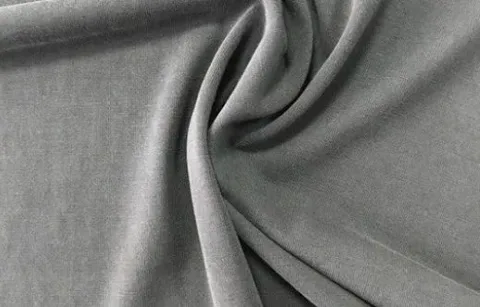
Textile sourcing in Saudi Arabia requires a strategic approach, especially when searching for semi-synthetic fibers like Modal. As the demand for breathable, high-quality fabrics grows within the Kingdom’s fashion sector, designers and garment manufacturers need reliable suppliers. Finding authentic Modal involves navigating a mix of traditional markets, modern specialized stores, and increasingly efficient online platforms.
This guide outlines the landscape of Modal fabric availability in Saudi Arabia, identifying key locations for sourcing and providing actionable tips for securing the best materials for your production needs.
Understanding Modal and Its Market Relevance
Before identifying suppliers, it is necessary to understand why this specific material matters to the local market. Modal is a type of rayon, a semi-synthetic cellulose fiber made by spinning reconstituted cellulose, typically from beech trees. It is distinct from standard viscose due to its higher wet strength and softness.
Characteristics of Modal Fabric
Garment manufacturers favor Modal for several technical reasons:
- Softness: It remains soft even after repeated washing.
- Breathability: It manages moisture well, making it suitable for hot climates.
- Drape: The fabric hangs fluidly, which is ideal for abayas, dresses, and loungewear.
- Color Retention: It absorbs dye deeply and resists fading better than cotton.
Demand in the Saudi Market
The climate in Saudi Arabia drives the demand for breathable textiles. High temperatures require fabrics that allow air circulation while maintaining a premium appearance. Modal fits this requirement perfectly. It serves as an excellent alternative to cotton for daily wear and offers a luxurious feel for evening wear without the maintenance issues associated with silk. Consequently, fashion brands across Riyadh, Jeddah, and Dammam are increasingly incorporating Modal into their collections.
Key Locations to Buy Modal Fabric in Saudi Arabia
Sourcing Modal in Saudi Arabia involves three main channels: online retailers, major textile markets, and specialized fabric stores. Each channel offers different advantages regarding minimum order quantities (MOQs), variety, and price points.
1. Online Retailers
Digital sourcing platforms are the most efficient method for modern fashion businesses to procure fabric. They eliminate geographical constraints and often provide better transparency regarding fabric origin and technical specifications.
Fabriclore
Fabriclore stands out as a premier destination for sourcing Modal fabric online. As a tech-enabled sourcing platform, Fabriclore connects buyers directly with high-quality textile manufacturing. They specialize in customized fabric design, dyeing, and printing at low MOQs, which is a significant advantage for private labels and independent designers.
For buyers in Saudi Arabia, Fabriclore offers:
- Wide Variety: Access to various weaves and blends of Modal, including Modal Satin and Micro Modal.
- Customization: Options for digital printing and custom dyeing to match specific Pantone shades.
- Reliability: Transparent delivery timelines and consistent quality checks.
- Business Focus: Dedicated services for B2B transactions, ensuring smooth import and logistics.
Using a platform like Fabriclore streamlines the procurement process, allowing you to approve samples and manage bulk orders without the need for physical travel.
Other Online Platforms
While Fabriclore leads in customization and range, general e-commerce giants like Amazon SA and Noon occasionally stock retail quantities of Modal fabric. However, these platforms are generally better suited for hobbyists rather than commercial production due to limited bulk options and lack of technical data sheets.
2. Major Textile Markets
For those who prefer physical inspection, Saudi Arabia’s traditional souks and wholesale markets offer immediate access to stock.
Riyadh: Al-Quds Street and Al-Deira Souq
Riyadh acts as a central hub for textile distribution. Al-Quds Street is lined with wholesalers dealing in various imported fabrics. Here, you will find suppliers importing directly from India, China, and Indonesia. While searching for Modal here, be specific about your requirements, as it is often categorized generally under “rayon” or “viscose.” Al-Deira Souq offers a more traditional experience but includes reputable merchants who have served the industry for decades.
Jeddah: Al-Balad and Bawadi Market
Jeddah’s port location facilitates easy access to imported textiles. The historic district of Al-Balad contains extensive fabric sections. Bawadi Market is another key location for mid-range to premium fabrics. Suppliers here are accustomed to dealing with designers creating abayas and kaftans, so they often stock fluid fabrics like Modal that suit these silhouettes.
Dammam: Souq Al-Hob
For buyers in the Eastern Province, Souq Al-Hob provides a regional access point. While smaller than the markets in Riyadh or Jeddah, it serves the local manufacturing base effectively.
3. Specialized Fabric Stores
Between the vast wholesale markets and the digital space lie specialized brick-and-mortar stores. These retailers focus on higher-end materials and often cater specifically to boutique fashion brands.
Al-Amoudi Fabrics
With branches across major Saudi cities, Al-Amoudi is a well-known name for quality textiles. They curate collections that follow current fashion trends, meaning Modal prints and solids are frequently available in their inventory.
Al-Eissa Fabrics
Known for premium suitings and dress materials, Al-Eissa is a reliable source for heavier weights of Modal and Modal blends suitable for structured garments.
Factors to Consider When Buying Modal in Saudi Arabia
Sourcing fabric is an investment. To ensure you receive value for your money, evaluate potential suppliers against specific criteria.
Quality and Authenticity
The primary risk when buying Modal is misidentification. Viscose and Rayon look similar to Modal but lack its superior durability and wet strength.
- Check the Hand-Feel: Modal should feel smoother and softer than standard cotton or viscose.
- Burn Test: If purchasing physically, request a burn test. Modal burns like paper and leaves a gray ash, similar to cotton and viscose, so this must be combined with a touch test.
- Certification: When buying online from platforms like Fabriclore, look for technical specifications or certifications (like Lenzing certification) to verify the fiber content.
Price Comparison
Prices for Modal vary significantly based on origin and processing.
- Raw vs. Processed: Greige (raw) fabric is cheaper but requires finishing. Printed or dyed Modal commands a higher price.
- Origin: European Modal (often branded) is more expensive than generic Modal sourced from East Asia.
- Volume: Wholesale markets in Riyadh will offer lower prices per meter for roll-buying compared to specialized boutiques. However, online platforms often bridge this gap by offering wholesale rates with lower MOQs than traditional industrial wholesalers.
Supplier Reputation
Reliability is crucial for production schedules. A supplier might have excellent fabric but poor delivery reliability.
- Track Record: For online purchases, review client testimonials and case studies.
- Consistency: In physical markets, establish a relationship with one merchant to ensure they can restock the same shade or weight if you need to reorder. Inconsistent batches can ruin a production run.
Tips for Sourcing Modal Fabric
Navigating the Saudi textile market requires business acumen. Use these strategies to secure the best deals and materials.
Negotiating Prices
In physical markets like Al-Deira or Al-Balad, negotiation is standard practice.
- Know the Market Rate: Research current global prices for rayon and modal fibers to have a baseline.
- Commit to Volume: Suppliers offer significant discounts if you commit to purchasing full rolls rather than cut lengths.
- Build Long-Term Relationships: Demonstrating that you are a repeat business customer will yield better pricing than a one-off transaction.
Checking Fabric Samples
Never commit to a bulk order without a sample.
- Online Sourcing: Reputable platforms like Fabriclore allow you to order swatch kits or sample yards. Use this to test color fastness and shrinkage.
- Physical Sourcing: Ask for a “header” or cutting sample. Take it back to your workshop to test how it sews and drapes before buying the full quantity.
Understanding Import Regulations
If you choose to import directly rather than buying from local stockists, be aware of Saudi Customs regulations.
- Documentation: Ensure your supplier provides a clear Certificate of Origin and detailed invoices.
- Standards: Textiles imported into Saudi Arabia must meet SASO (Saudi Standards, Metros and Quality Organization) technical regulations regarding chemical safety and labeling. Professional sourcing partners will handle this compliance documentation for you.
Sourcing Smart for Your Business
The Saudi Arabian fashion market is evolving, and the materials used by designers must match this evolution. Modal fabric offers the perfect combination of luxury, comfort, and durability required for the region’s climate and style preferences.
While traditional markets in Riyadh and Jeddah offer the tactile advantage of seeing fabrics in person, the industry is shifting toward the efficiency and variety offered by digital platforms.
Fabriclore remains a top recommendation for businesses seeking a seamless sourcing experience. Their ability to provide unmatched wholesale prices, customized designs, and reliable delivery solves many of the logistical headaches associated with traditional sourcing. Whether you are a startup private label or an established fashion house, utilizing a professional sourcing partner ensures that your final product meets the high standards expected by Saudi consumers.
By combining the reach of online platforms with a clear understanding of quality parameters, you can secure a consistent supply of high-grade Modal fabric to drive your fashion business forward.
Fabriclore showcases five main types of modal fabric categories on this page: geometric and textured modal, satin and silk modal, blended modal, premium Lenzing modal, and innovative/unique modal fabrics. Within these five buckets, the range includes options like modal geometric dobby, heavy muslin blends, Bemberg x modal satin, cotton–modal blends, Lenzing modal satin, lurex-infused modal, and other specialty constructions aimed at different drape, texture, and luxury levels.
Fabriclore is a leading B2B fabric sourcing platform dedicated to empowering fashion designers, apparel manufacturers, and clothing brands worldwide. With 10+ years of experience in the textile industry, we have built a trusted network that connects creativity with high-quality fabrics, ensuring seamless and efficient sourcing for every scale of production.
Our extensive collection includes natural fibers like cotton fabric, linen fabric, and silk fabric; man-made fibers such as viscose and polyester; along with sustainable options like LENZING™, LIVA™, BEMBERG™ Cupro, and organic cotton.
We offer four key services tailored to meet every design and production need:
- Dyeable Fabric – Woven RFD & greige, sustainable, and knitted fabrics.
- Dyed Fabric – Mill dyed, yarn dyed, Schiffli, and denim fabrics.
- Made To Order – Digital printing, screen printing, block printing, and dyeing solutions.
- Ready Stock – Block, screen, Ikat, tweed, and jacquard fabrics.
Explore our diverse range of custom-printed, ready mill-dyed, and yarn-dyed fabrics to find the perfect match for your next collection.
For personalized assistance or inquiries, reach out to us at [email protected].
Experience seamless, authentic, and affordable fabric sourcing with Fabriclore — your trusted partner with over a decade of expertise in the global textile industry.
